Iranian International Scientific Cooperation Center | IISCC
Connecting Iranian Higher Education to the World
Iranian International Scientific Cooperation Center | IISCC
Connecting Iranian Higher Education to the World




Innovation & Technology Transfer
Turning Research into Innovation. Connecting Ideas with Impact.
Bridge academic research and industry through responsible knowledge exchange, technology development, and partnerships.
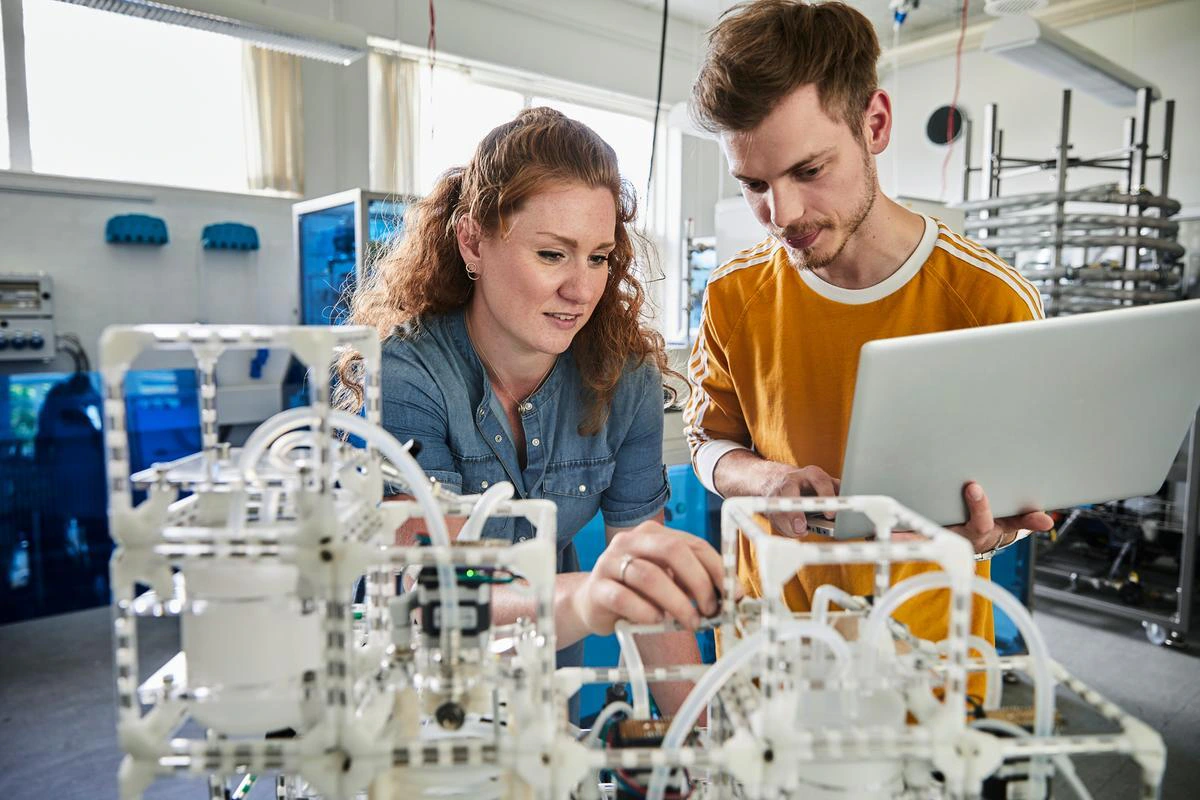
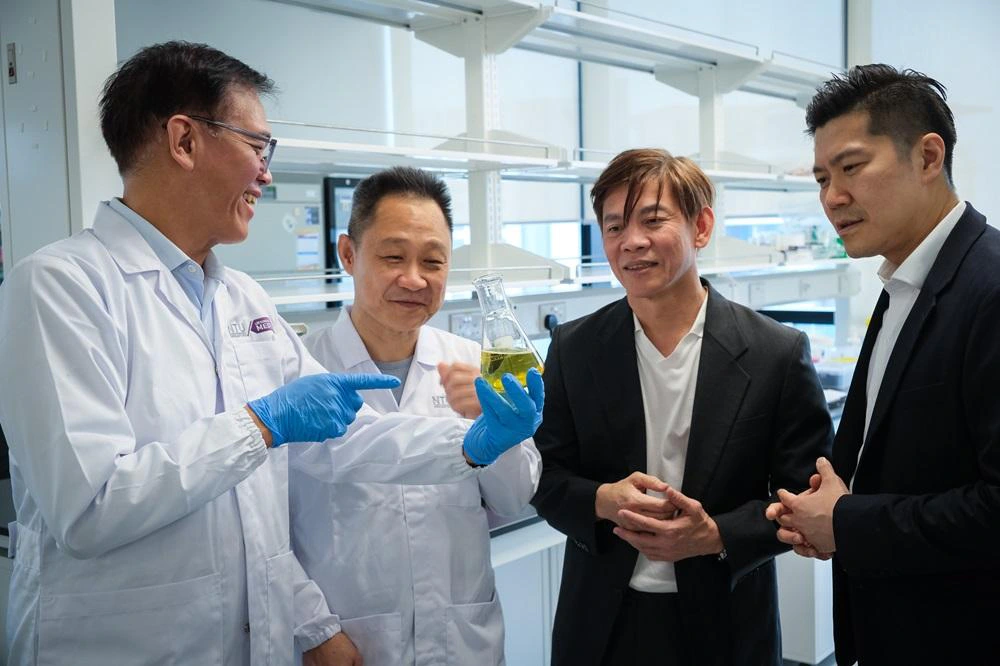

From Scientific Discovery to Practical Application
Technology transfer is the process through which knowledge, research findings, inventions, and intellectual property move from researchers and research organizations to users who can develop and apply them.
This process may involve collaborative research and development, prototype testing, licensing agreements, the creation of research-based start-ups, and partnerships between universities and industry.
IISCC aims to encourage institutions to identify promising research outcomes, explore potential applications, and connect with partners who have the expertise, infrastructure, or resources needed to advance an innovation.
Successful technology transfer requires more than a promising idea. It also depends on appropriate intellectual property management, technical validation, market assessment, financing, and clear agreements among the parties involved.
Explore Innovation and Technology Opportunities

Research-Based Innovation
Identify scientific discoveries, new methods, and research outcomes with potential applications in healthcare, industry, education, and society.

Intellectual Property & Knowledge Management
Support awareness of patents, copyrights, software rights, designs, trade secrets, and institutional intellectual property policies.
Prototyping & Technology Validation
Develop and test prototypes, assess technical feasibility, and refine innovations before wider deployment or commercialization.

Start-ups, Spin-offs & Entrepreneurship
Encourage the development of research-based ventures, entrepreneurship, and partnerships that help bring promising technologies to users.
University–Industry Collaboration
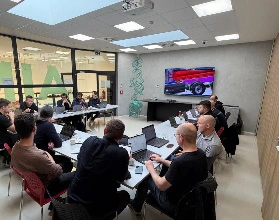
Connect academic expertise with industry needs through joint R&D, contract research, technical services, and technology licensing.
From Laboratory to Real-World Impact
Step 1 — Identify the Innovation
Identify a research finding, invention, software solution, process, or body of knowledge with potential practical value.
Step 2 — Assess Intellectual Property
Review ownership, confidentiality, disclosure requirements, and appropriate protection options with the relevant institutional experts.
Step 3 — Validate and Develop
Evaluate technical feasibility, test prototypes, gather user feedback, and identify further development requirements.
Step 4 — Identify Partners and Applications
Explore potential licensees, industrial collaborators, investors, research partners, and relevant markets or public-sector applications.
Step 5 — Agree on the Transfer Arrangement
Define the terms of licensing, collaborative development, research services, or another suitable arrangement through appropriate agreements.
Step 6 — Implement and Evaluate Impact
Support further development and adoption, monitor agreed milestones, and assess scientific, social, environmental, or economic outcomes.
The process is indicative rather than mandatory; different innovations require different development and transfer pathways. Intellectual property ownership and contractual arrangements must be assessed under applicable laws and institutional policies.
Connecting Knowledge with Users
IISCC can introduce the main mechanisms through which research and technology may be transferred or applied:
Technology Licensing: Granting permission to use specified intellectual property under agreed terms.
Research & Development Partnerships: Working jointly with universities, companies, or research institutions to develop new technologies.
Contract and Sponsored Research: Conducting research under agreements that define the scope, funding, responsibilities, and rights of the parties.
Start-ups and Academic Spin-offs: Establishing new ventures based on research outputs or university-developed technologies.
Knowledge Exchange and Technical Services: Sharing expertise through consultancy, training, specialist services, and researcher exchange.
Technology Demonstration and Adoption: Testing solutions with prospective users and supporting their responsible implementation.
The appropriate model depends on the technology, ownership rights, development stage, intended users, and the interests of the parties involved.
Connecting Academic Expertise with Industry Needs
IISCC can encourage universities, research centers, companies, and other organizations to explore mutually beneficial opportunities, including:
Joint research and product development.
Industry-sponsored research and technical consultancy.
Access to authorized laboratory facilities and specialized expertise.
Prototype testing and technology validation.
Licensing and commercialization discussions.
Innovation challenges and industry-led research priorities.
Research-based entrepreneurship and start-up development.
Partnerships should define project objectives, funding responsibilities, intellectual property rights, confidentiality, publication rights, and expected deliverables before activities begin. Institutional technology transfer offices can help manage intellectual property and facilitate research partnerships.

Protecting Knowledge While Enabling Collaboration
Responsible technology transfer requires clear and transparent arrangements for intellectual property and research outputs.
Review ownership and applicable intellectual property policies before public disclosure.
Seek appropriate professional advice on patents, copyright, licensing, and other protection mechanisms.
Agree on rights to pre-existing intellectual property and results generated jointly.
Protect confidential information through suitable procedures and agreements.
Consider ethical, safety, environmental, and societal implications.
Define publication, commercialization, and benefit-sharing arrangements fairly.
Key principle: Publishing an innovation profile on IISCC should not be presented as a substitute for filing a patent application or securing other intellectual property rights. Researchers should consult their institution's technology transfer office or qualified intellectual property professional before disclosing potentially protectable inventions.
Discuss an innovation partnership
To start a conversation with IISCC, prepare the following introductory information:
- Technology title and originating institution
- Public, non-confidential description
- Development stage and potential applications
- Type of partner sought and authorized contact
Share only information you are authorized to disclose. An inquiry does not confirm registration, project approval, a funding award, or a partnership.
Research information and availability
Verified researcher, center, project, and innovation listings will be published as authorized records become available. This page currently provides an introduction and a contact route; it does not offer a live directory or automated partner matching.